Bath, England is a beautiful city in Somerset built around hot mineral springs. It started under the Romans as a spa town called Aquae Sulis.
In the Middle Ages Bath became a centre for the wool trade and cloth. In the 18th century the city was rebuilt in the elegant Georgian style under architects like John Wood, the Younger and his father.
Over time it became a place of fashion, architecture and wellness. The entire city is a UNESCO World Heritage Site.
The Same
We both visited Bath on a day trip from London, so our time there was short — but it left a lasting impression. From the moment we arrived, we were enchanted by the golden limestone buildings, charming streets, and peaceful riverside views. Even with only a few hours to explore, we absolutely loved this beautiful town and can’t wait to return for a longer stay.
Bath, England
Bath, England
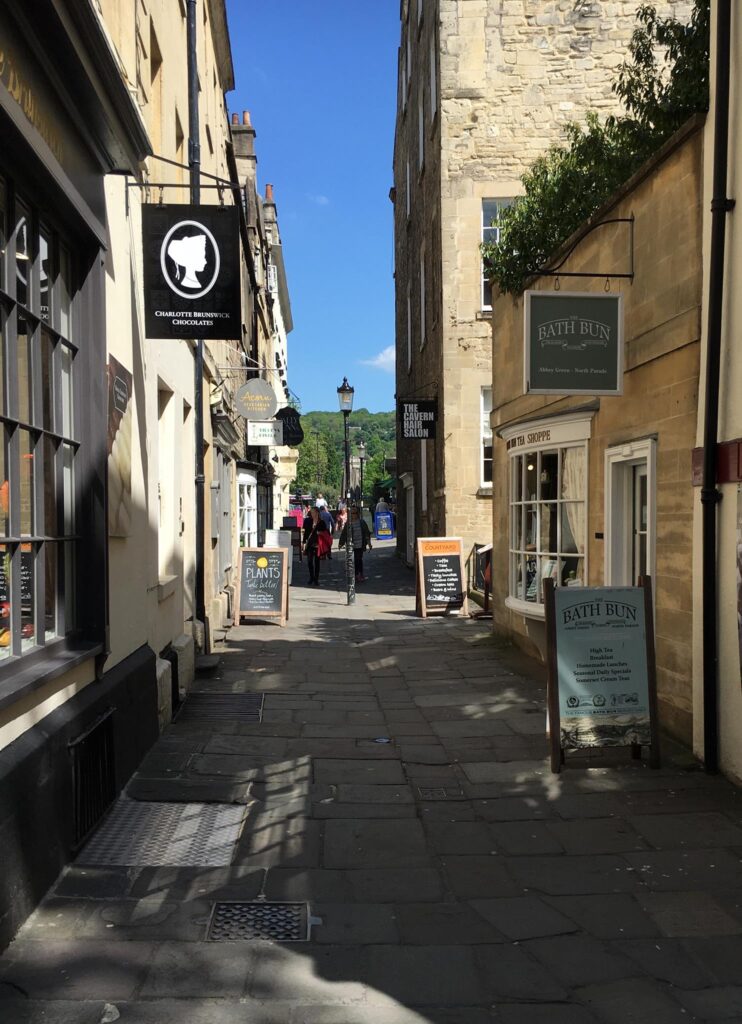
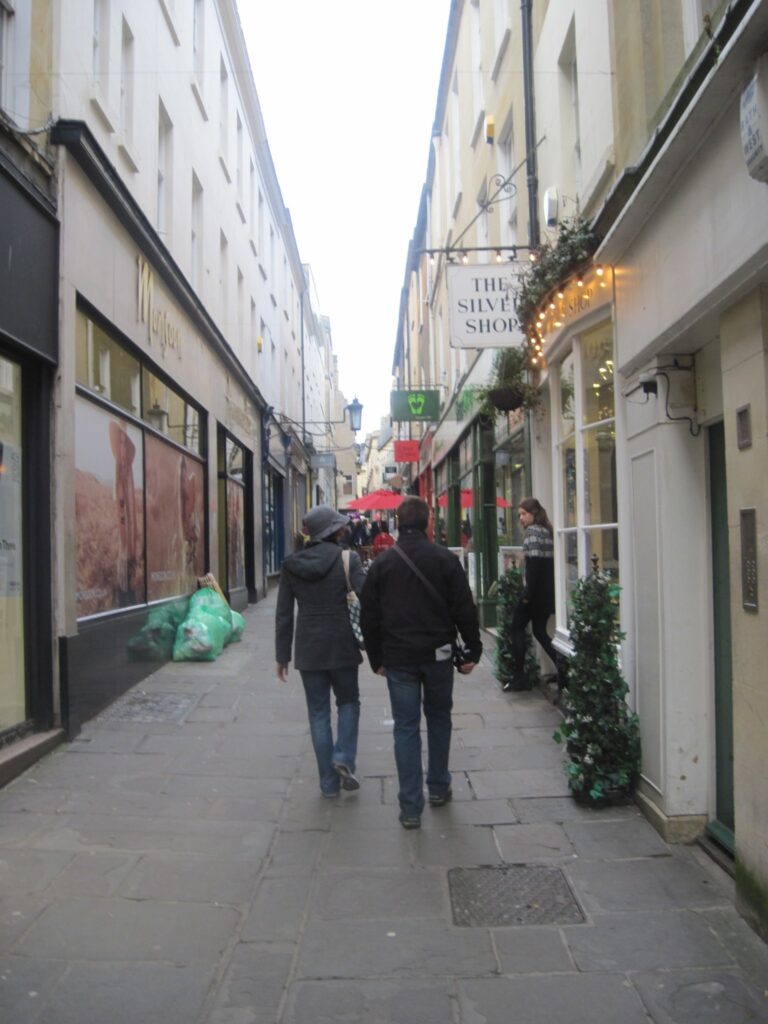
Stroll through the cobblestone streets, lined with honey-colored Georgian buildings
Browse local boutiques and antique shops for unique finds and handmade gifts
Stop at cozy cafés for a cup of tea or coffee with a view of the Abbey
Wander along the River Avon, watching the reflections of Bath’s bridges and stone façades
Explore hidden courtyards and side streets, each with its own charm and character
Admire the architecture, from elegant townhouses to sweeping crescents
Enjoy the street performers and musicians, adding life and energy to the historic setting
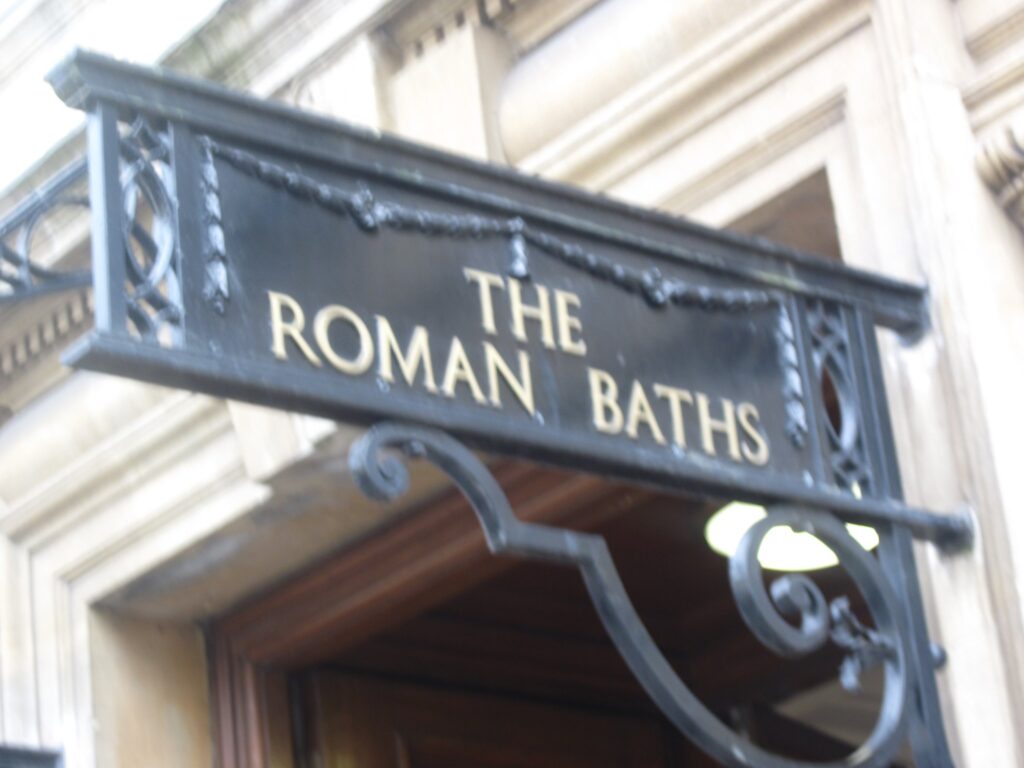
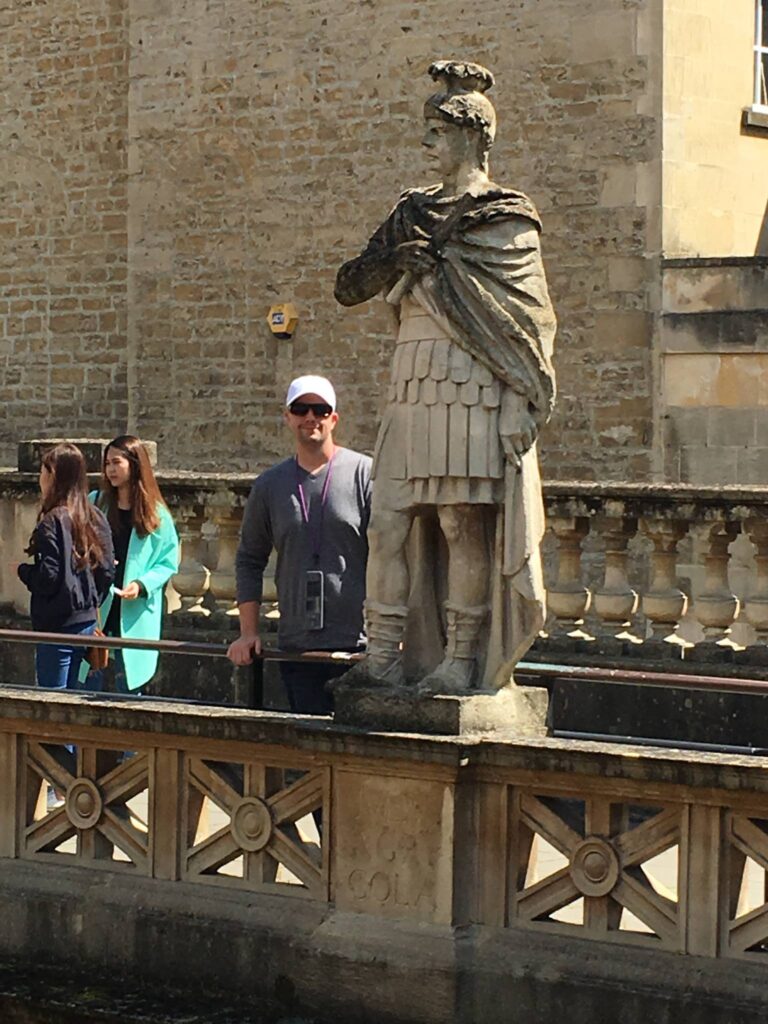
Roman Baths
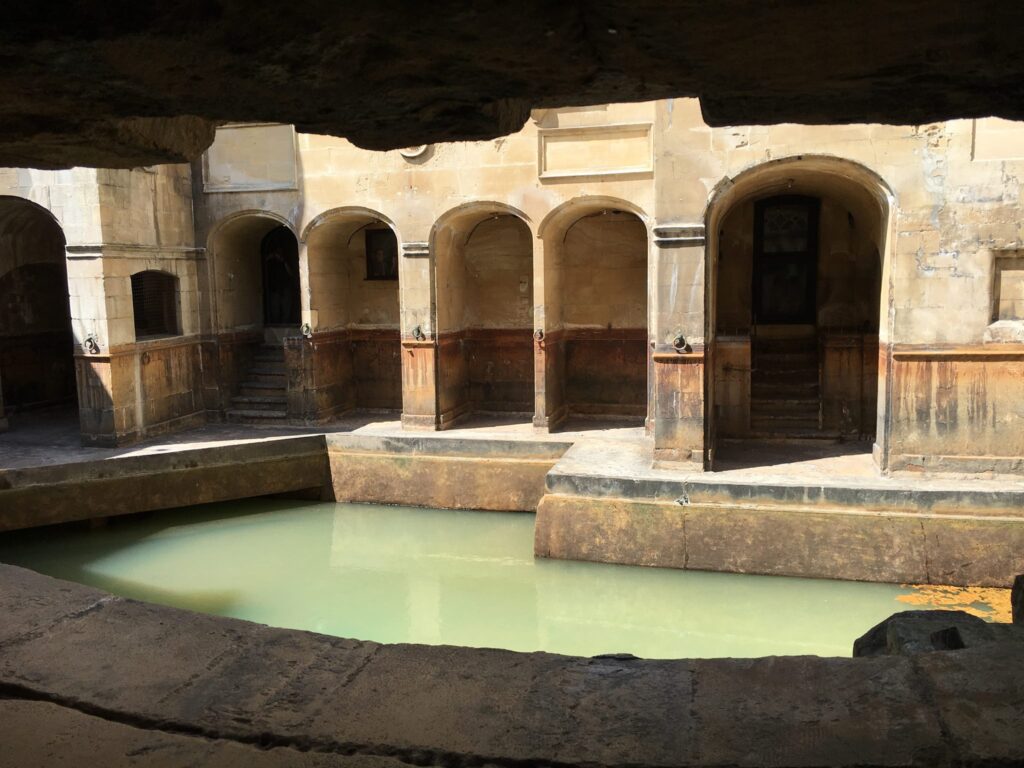
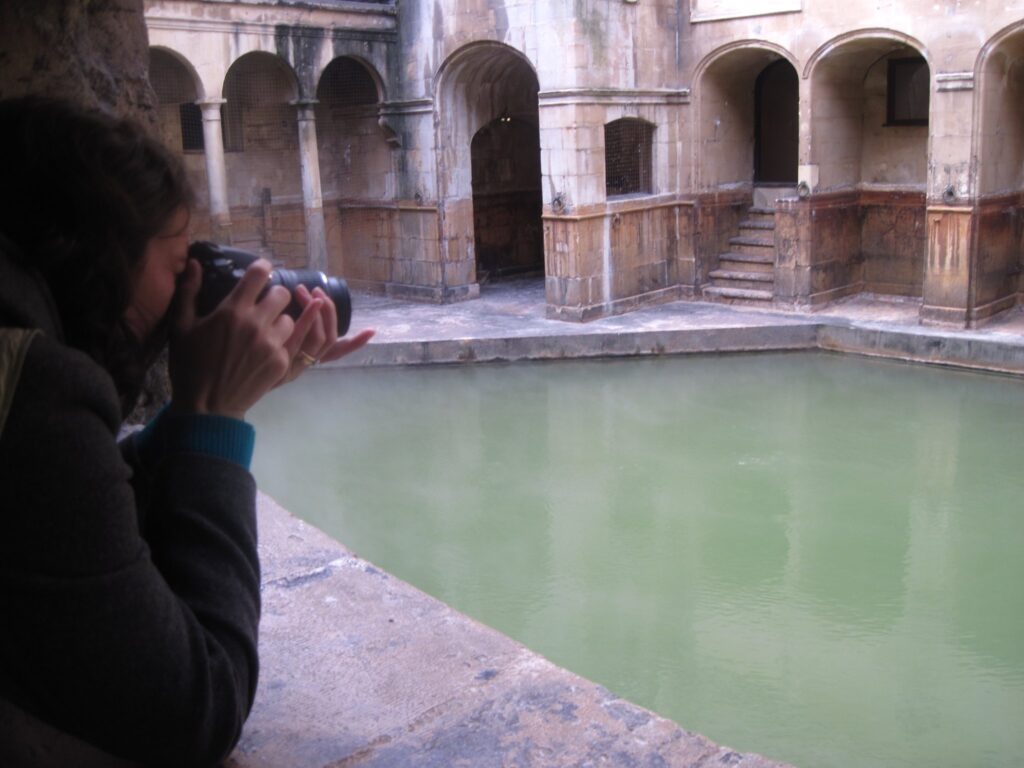
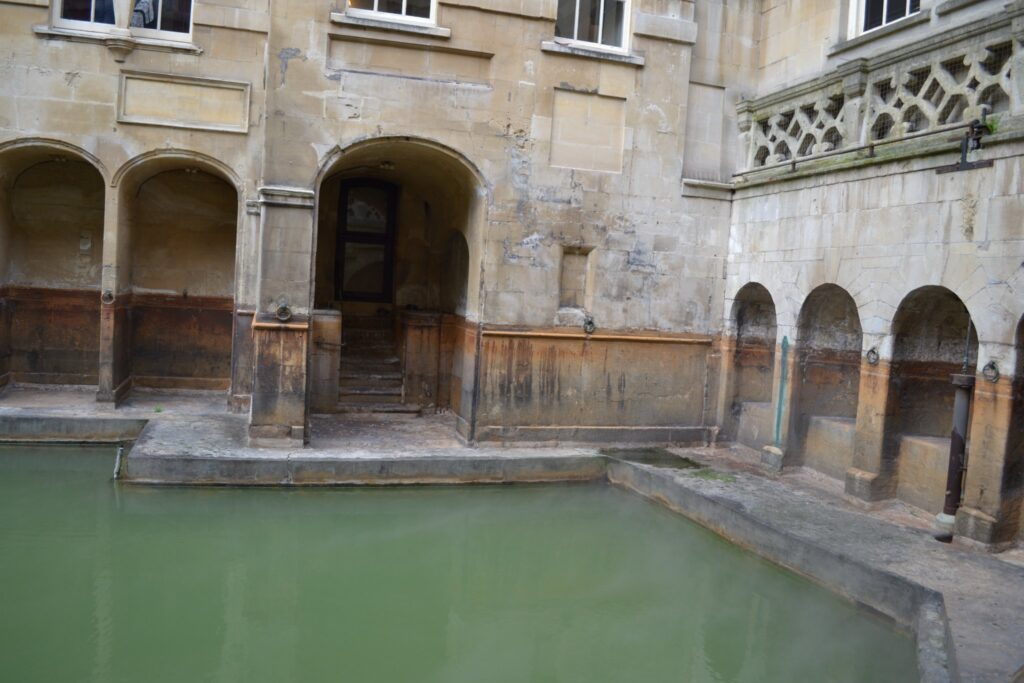
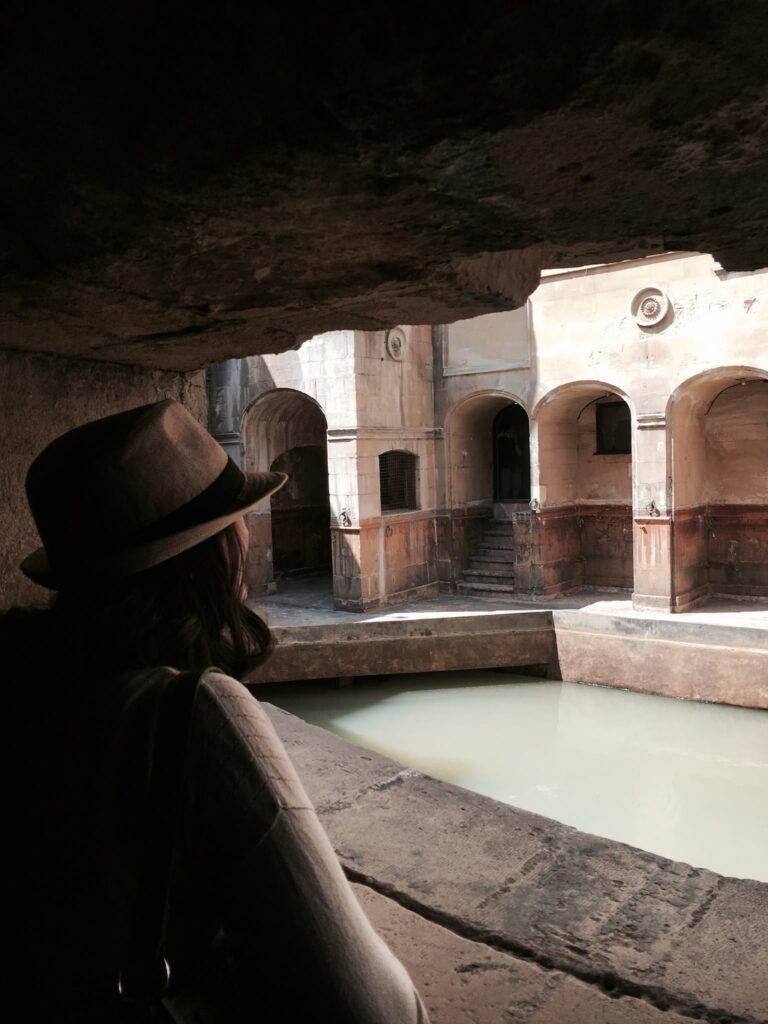
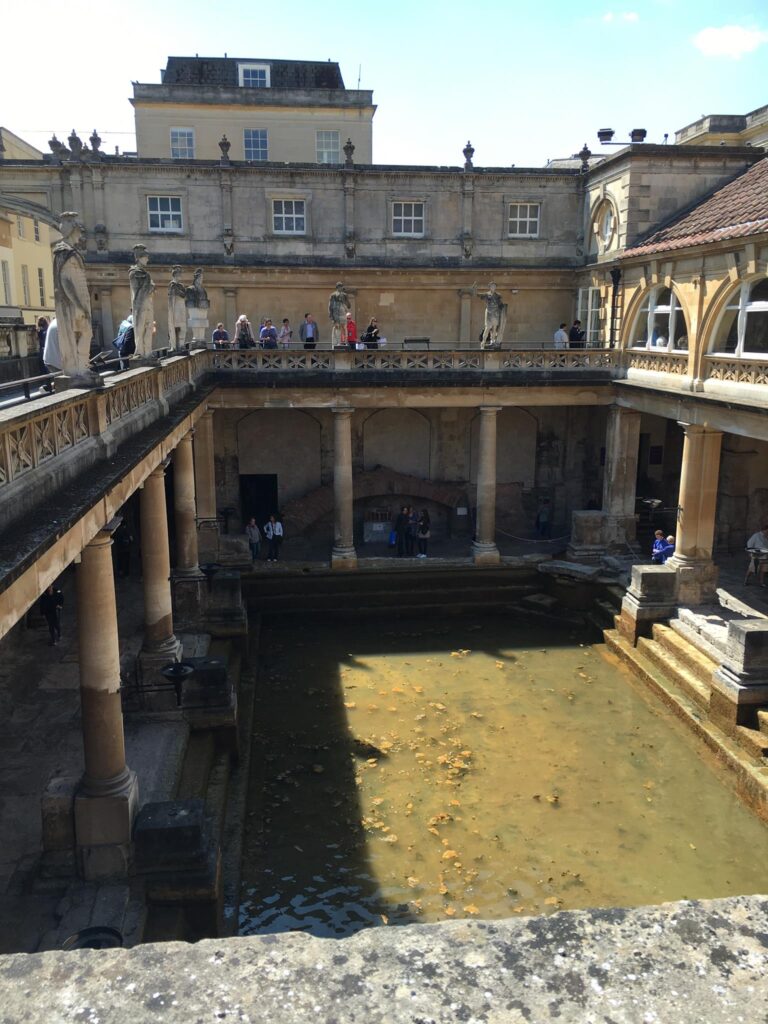
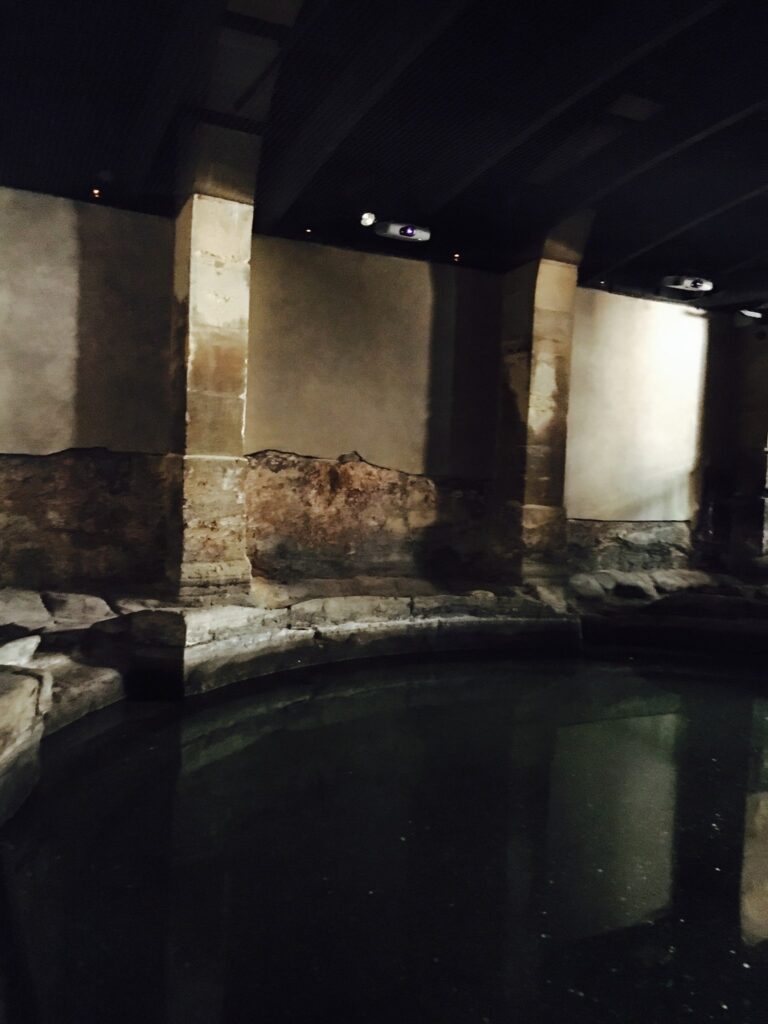
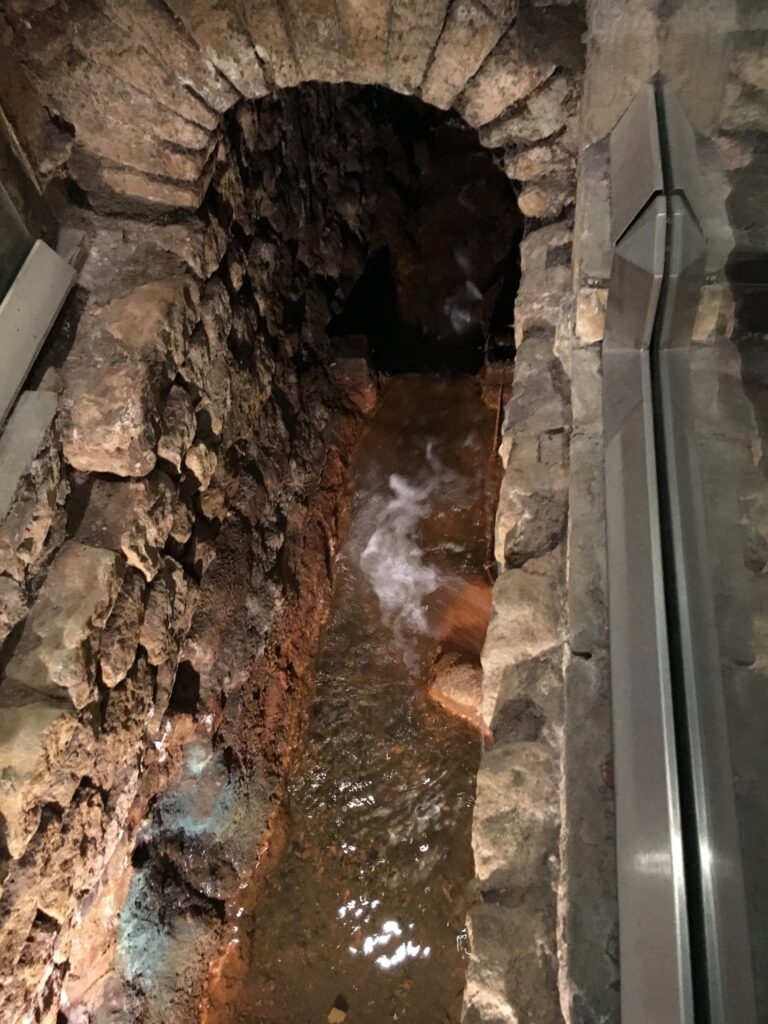
This is truly the heart of Bath’s origin, the place where it all began. The Roman Baths are built around the city’s famous natural hot springs, which have been flowing for thousands of years.
Constructed around 70 CE, this complex once served as a grand bathing and social center for Romans who believed in the healing powers of the mineral-rich waters. The spring still produces over a quarter of a million gallons of water every day, maintaining a steady temperature of about 115°F (46°C).
Roman Bath
Roman Bath
Roman Bath
Roman Bath
Roman Bath
Roman Bath
Roman Bath
Roman Bath (Closed)
Roman Bath
Roman Bath
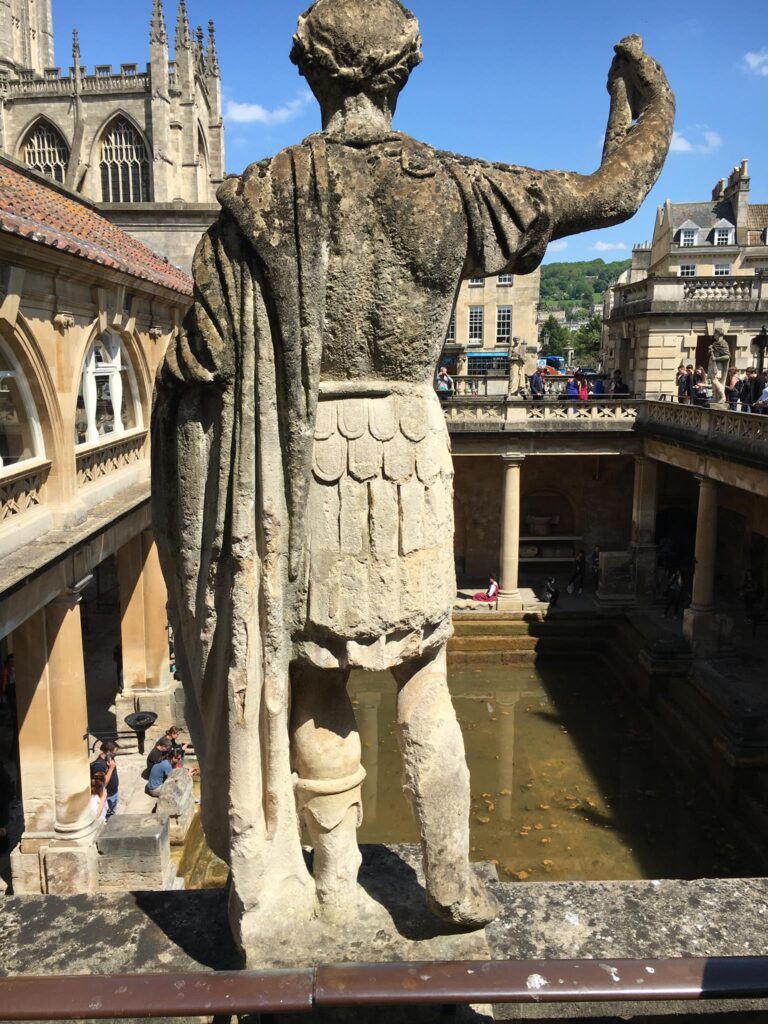
The Great Bath: The centerpiece is the Great Bath, a large pool surrounded by ancient stone columns and filled with steaming spring water. You can imagine Roman citizens gathering here to relax, socialize, and discuss daily life.
The temple of Sulis Minerva: Nearby stands the Temple of Sulis Minerva, dedicated to the goddess who represented a blend of local Celtic and Roman traditions, a symbol of how two cultures intertwined in this sacred place.
Museum: Inside the museum, fascinating exhibits showcase Roman coins, jewelry, curse tablets, and tools that were discovered during excavations. Interactive displays and reconstructions help bring the site to life, showing how people bathed, worshipped, and enjoyed this remarkable spa complex nearly 2,000 years ago.
Tips: Arrive early to avoid crowds. Take your time in the museum section to appreciate the history. Allow at least an hour to explore, the museum deserves extra time if you enjoy history.
Bath Abbey – Bath BA1 1LT England
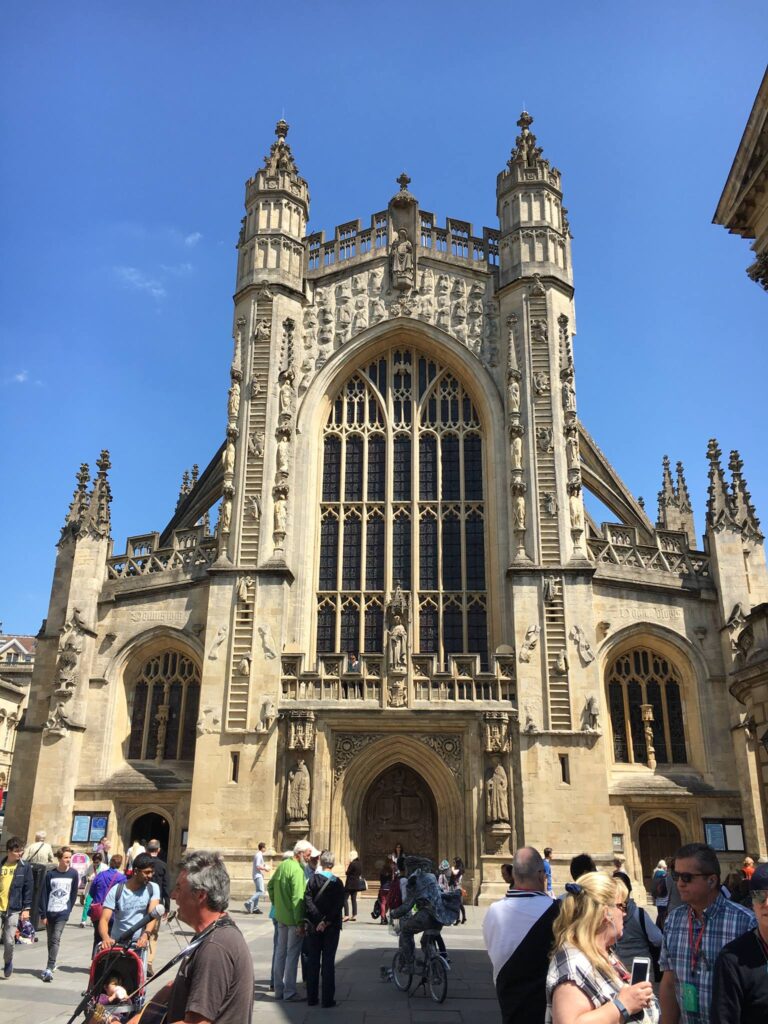
Located right next to the Roman Baths, Bath Abbey immediately caught our eye with its stunning architecture and towering spires. It’s hard to miss — this magnificent church dominates the city center and feels like the spiritual heart of Bath. The Abbey’s history stretches back to the 7th century, when the first church was founded on this very site. Over the centuries, it’s been rebuilt several times, with the current structure dating to the 16th century and showcasing breathtaking Gothic design.
As we stepped inside, the soaring ceilings, fan-vaulted stonework, and colorful stained glass windows left us speechless. The intricate details and sense of calm made it easy to imagine why people have been worshipping here for more than a thousand years. Whether you’re interested in history, architecture, or simply seeking a quiet moment during your visit, Bath Abbey is an absolute must-see.
Bath Abbey
The fan-vaulted ceiling, a fine example of Perpendicular Gothic architecture.
The west front with its soaring stonework and sculptures.
The tower tour: If you’re able, climb the tower for a unique view. Check opening times as some tours may be limited.
Royal Crescent– Bath, Somerset, England
A sweeping crescent of 30 terraced houses built between 1767 and 1774 in Georgian style. It is one of the finest examples of its era in the UK.
The elegant curved façade and uniform limestone design.
The lawn in front offers a perfect photo spot looking across to the crescent.
Visit No. 1 Royal Crescent museum to see how the wealthy lived in the 18th century.
Pulteney Bridge– Bridge St, Bath BA1 1EE England
Built in 1769, Pulteney Bridge is one of Bath’s most iconic landmarks. It gracefully spans the River Avon and is one of only a few bridges in the world lined with shops on both sides. Designed by architect Robert Adam, the bridge is a masterpiece of Georgian architecture, blending beauty and function in perfect harmony.
As you stroll across, you’ll find charming boutiques, cafés, and souvenir shops tucked inside its stone arches. Step to the bridge’s parapet for sweeping views of the River Avon and the graceful Pulteney Weir below. It’s one of the best photo spots in Bath, especially when the sunlight reflects off the water and captures the city’s honey-colored glow.
Pulteney Bridge
Shops on the bridge give it a unique historic charm.
Tips: Visit near sunset for lovely light. Also explore the riverbank below for different angles.
The Dinks
After exploring Bath Abbey and the Roman Baths, we decided to slow down and enjoy one of England’s most beloved traditions, afternoon tea.
High Tea in baths, England
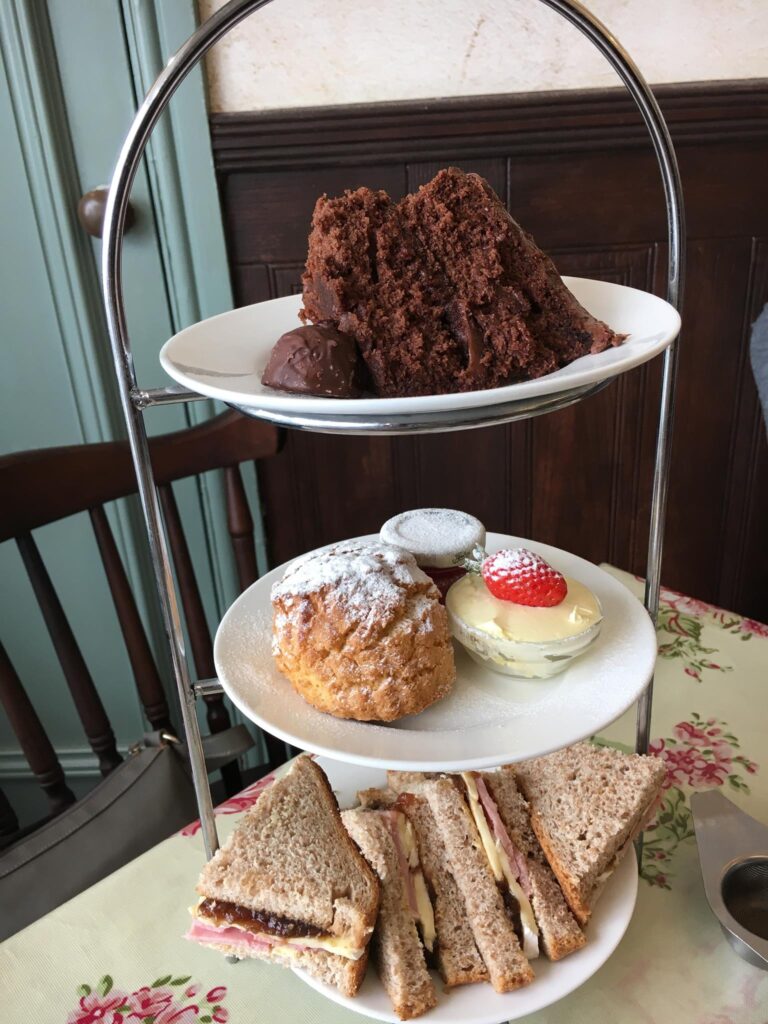
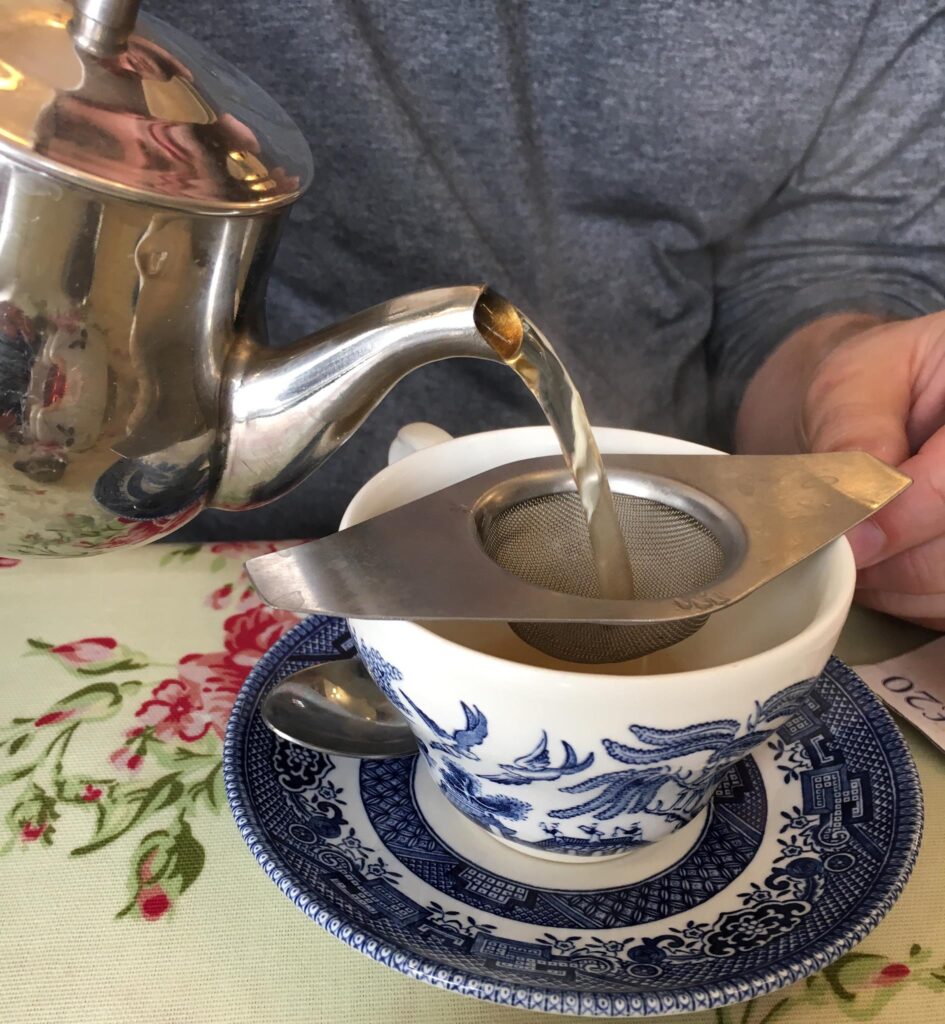
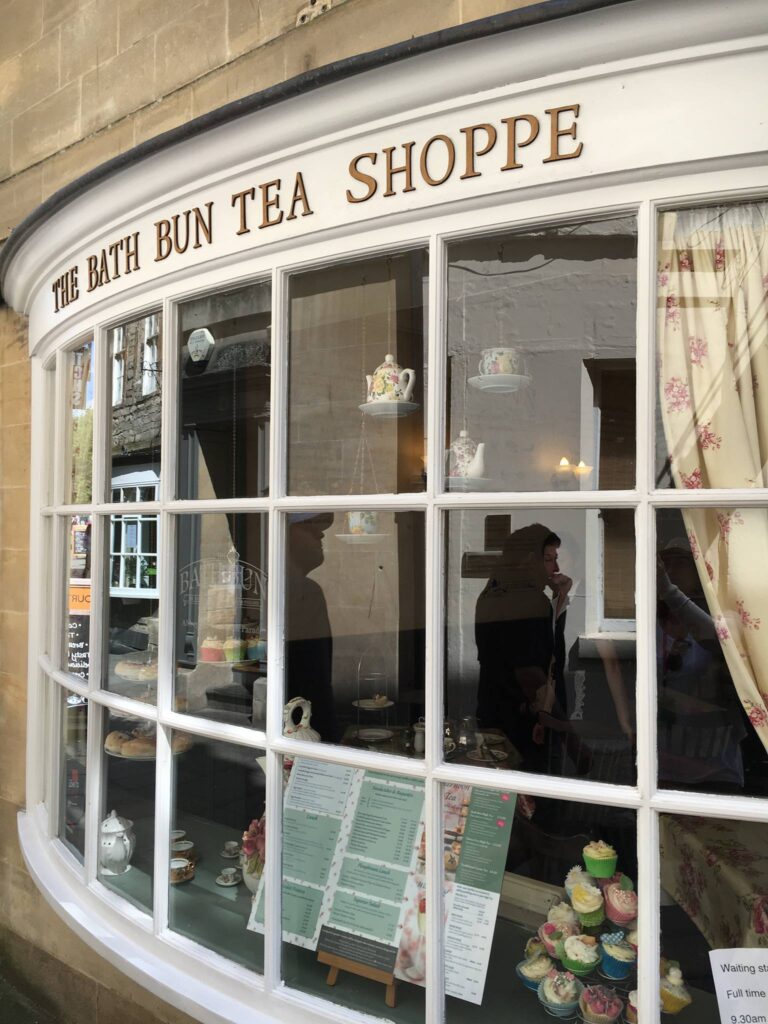
We stopped at a charming tearoom nearby, where the scent of freshly baked scones filled the air. Sitting by the window, we savored every bite of warm scones layered with clotted cream and strawberry jam, along with delicate finger sandwiches and pastries that looked almost too pretty to eat. The tea itself was perfectly brewed, served in elegant china cups that added to the experience. It was the perfect way to relax and take in the timeless beauty of Bath, watching the world go by on the cobblestone streets outside.
High Tea
High Tea
High Tea
Warm scones served with clotted cream and strawberry jam
Delicate finger sandwiches; Our favorite was ham with onion preserves.
Sweet treats like this chocolate cake was the perfect finishing touch.
Our day trip to Bath, England may have been short, but it was unforgettable. From the moment we stepped off the train, the city’s golden stone buildings and rich history drew us in.
Even though we only had a few hours, Bath’s charm made a lasting impression on us. It’s a city that perfectly blends ancient wonders with timeless elegance.
We left promising ourselves we’d return, next time to linger longer, relax in the hot springs, and experience even more of what makes Bath, England so special.
Websites store cookies to enhance functionality and personalise your experience. You can manage your preferences, but blocking some cookies may impact site performance and services.
Essential cookies enable basic functions and are necessary for the proper function of the website.
Name
Description
Duration
Cookie Preferences
This cookie is used to store the user's cookie consent preferences.
30 days
These cookies are needed for adding comments on this website.
Name
Description
Duration
comment_author
Used to track the user across multiple sessions.
Session
comment_author_email
Used to track the user across multiple sessions.
Session
comment_author_url
Used to track the user across multiple sessions.
Session
Statistics cookies collect information anonymously. This information helps us understand how visitors use our website.
Google Analytics is a powerful tool that tracks and analyzes website traffic for informed marketing decisions.
Contains information related to marketing campaigns of the user. These are shared with Google AdWords / Google Ads when the Google Ads and Google Analytics accounts are linked together.
90 days
__utma
ID used to identify users and sessions
2 years after last activity
__utmt
Used to monitor number of Google Analytics server requests
10 minutes
__utmb
Used to distinguish new sessions and visits. This cookie is set when the GA.js javascript library is loaded and there is no existing __utmb cookie. The cookie is updated every time data is sent to the Google Analytics server.
30 minutes after last activity
__utmc
Used only with old Urchin versions of Google Analytics and not with GA.js. Was used to distinguish between new sessions and visits at the end of a session.
End of session (browser)
__utmz
Contains information about the traffic source or campaign that directed user to the website. The cookie is set when the GA.js javascript is loaded and updated when data is sent to the Google Anaytics server
6 months after last activity
__utmv
Contains custom information set by the web developer via the _setCustomVar method in Google Analytics. This cookie is updated every time new data is sent to the Google Analytics server.
2 years after last activity
__utmx
Used to determine whether a user is included in an A / B or Multivariate test.
18 months
_ga
ID used to identify users
2 years
_gali
Used by Google Analytics to determine which links on a page are being clicked
30 seconds
_ga_
ID used to identify users
2 years
_gid
ID used to identify users for 24 hours after last activity
24 hours
_gat
Used to monitor number of Google Analytics server requests when using Google Tag Manager




Leave a Reply